Yellowark Safaris
Tarangire National Park
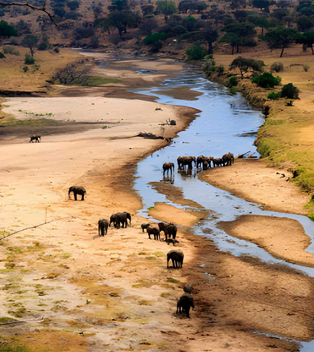
Tarangire is home to the largest concentration of wildlife outside the Serengeti ecosystem during the dry season. The park becomes a wildlife paradise as animals gather around the Tarangire River, the park's primary water source.
Description:
Tarangire National Park, located in northern Tanzania, is renowned for its large elephant herds, iconic baobab trees, and diverse wildlife. The park covers approximately 2,850 square kilometers (1,100 square miles) and is named after the Tarangire River, which is a crucial water source for animals during the dry season.
Wildlife:
- Tarangire is famous for its large elephant population. Herds of up to 300 elephants can be seen migrating to the Tarangire River.
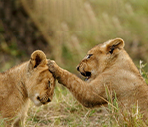
- Lions, leopards, and cheetahs are present in the park, often seen hunting or resting in the shade.
- The park is home to giraffes, zebras, wildebeests, buffaloes, impalas, and elands. It's also a good place to spot the lesser kudu, gerenuk, and oryx.
- With over 550 bird species recorded, Tarangire is a paradise for bird watchers. Notable species include the yellow-collared lovebird, rufous-tailed weaver, and ashy starling.
Habitats
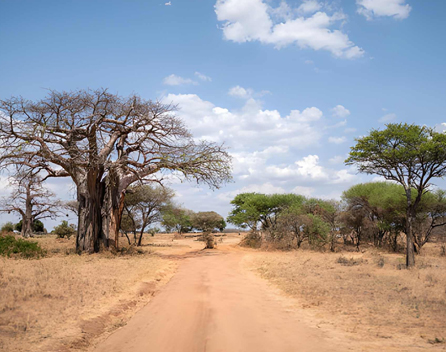
- These iconic trees, known as the "upside-down trees," are a striking feature of Tarangire's landscape. They provide shelter and food for various animals.
- These woodlands offer habitat for many species and are interspersed with open grasslands.
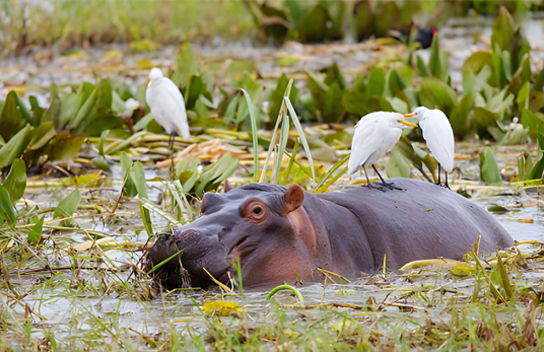
- Permanent swamps in the park support a variety of waterbirds and act as a refuge for animals during the dry season.
Key Areas
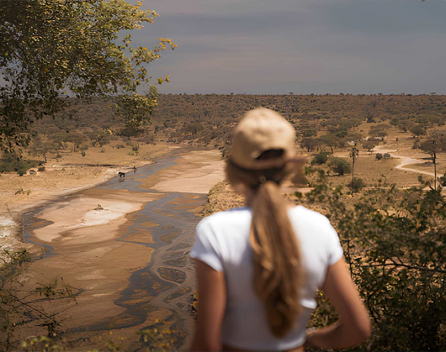
Tarangire River : The lifeline of the park, the river attracts a multitude of animals, especially during the dry season. Game drives along the river are particularly rewarding.
Silale Swamp : A year-round swamp that provides water and lush vegetation for wildlife. It's a good area for birdwatching and spotting elephants and other animals.
Northern Section : More frequented by visitors, this area has good wildlife viewing opportunities and several lodges and campsites.
Southern Section : Less visited and more remote, offering a more secluded safari experience with diverse habitats and wildlife.
Activities
- Game Drives
- Walking Safaris
- Night Drives
- Bird Watching
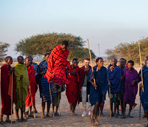
- Cultural Visits
Best Time To Visit
Dry Season (June To October) : This is the best time for wildlife viewing, as animals congregate around the Tarangire River and other water sources. The weather is also more pleasant, with less rain.
Wet Season (November To May) : The landscape becomes lush and green, and many animals disperse throughout the park. It's a good time for birdwatching and seeing newborn animals, though some areas may be harder to access due to rains.
Conservation
Wildlife Corridors : Efforts are made to maintain wildlife corridors connecting Tarangire to other protected areas, ensuring the migration routes of animals are preserved.
Community Involvement : Conservation initiatives often involve local communities, promoting sustainable practices and reducing human-wildlife conflict.
Accommodation
Lodges And Camps : The park offers a range of accommodation options, from luxury lodges to budget campsites, all providing unique experiences and varying levels of comfort.
Seasonal Camps : These camps are set up during peak seasons and offer a more intimate and immersive safari experience.