Yellowark Safaris
Serengeti National Park
The Serengeti is home to the largest terrestrial mammal migration in the world.
Description:
Serengeti National Park, located in northern Tanzania, is one of the most famous and iconic wildlife reserves in the world. It is renowned for its vast savannahs, abundant wildlife, and the Great Migration. Covering an area of approximately 14,750 square kilometers (5,700 square miles), it is one of the largest national parks in Africa.
Wildlife:
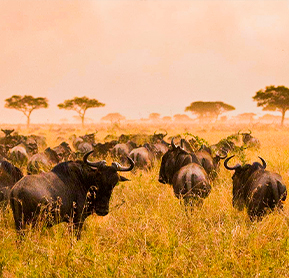
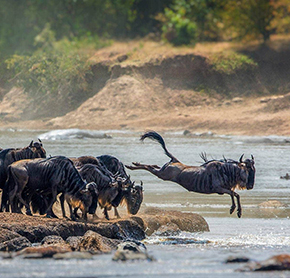
- The Serengeti is most famous for the annual Great Migration of wildebeest, zebras and gazelles.
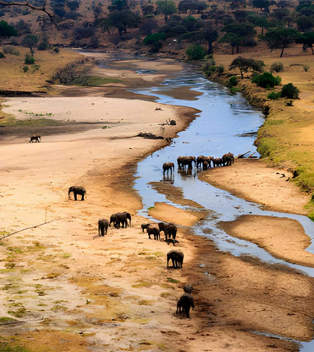
- The park is home to the Big Five (lion, elephant, buffalo, leopard, and rhinoceros) with one of the highest lion concentrations in the world.
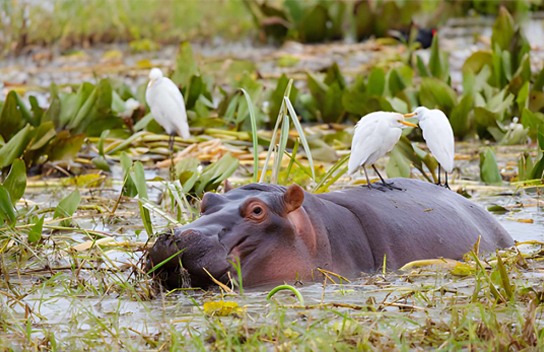
- Hosts diverse wildlife including giraffes, hippos, crocodiles, hyenas, jackals, serval cats, antelopes and many bird species.
Habitats
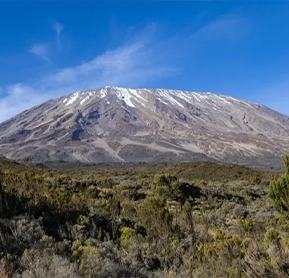
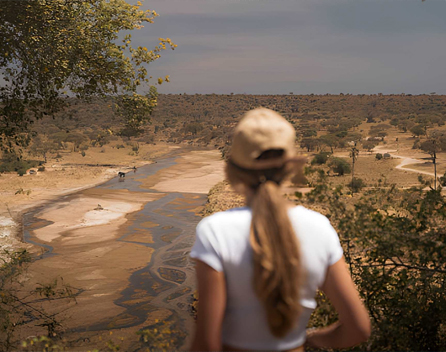
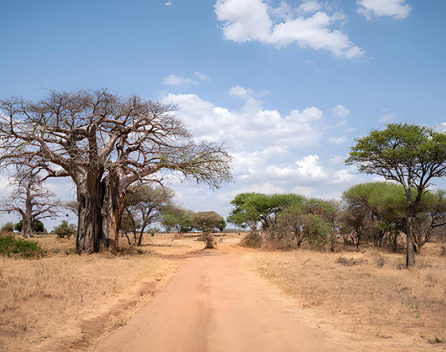
- The Serengeti’s vast plains are its iconic landscape.
- Scattered woodlands in the northern and western parts of the park.
- Rivers such as the Grumeti and Mara support lush forests with hippos and crocodiles.
Key Areas
Central Serengeti (Seronera) : Known for year-round game viewing and abundant wildlife.
Western Corridor : Known for Grumeti River crossings and Nile crocodiles.
Northern Serengeti : Critical area for migration river crossings.
Southern Serengeti : Important during calving season with many newborn wildebeest.
Activities
- Game Drives
- Balloon Safaris
- Guided Walks
- Cultural Visits
Best Time To Visit
Dry Season (June–October) : Best for general wildlife viewing and migration river crossings.
Wet Season (November–May) : Lush landscapes and calving season highlights.
Conservation
Serengeti Ecosystem : Part of a larger ecosystem including Ngorongoro and Maasai Mara.
Anti Poaching : Efforts focus on protecting endangered species like black rhinoceros.
Accommodation
Lodges And Camps : Various lodges and camps inside and around the park.